 01
01Rolling-stock components
Maintain identification, location and movement history for serialized components through fitment, removal, transfer, overhaul and refitment.
Explore component tracking Canada
 USA
USA
 UAE
UAE
 India
India
 UK
UK
Manage rolling-stock components, fleet-support assets, depot equipment, critical spares and specialist tools across transit authorities, rail operators, fleet organizations and maintenance facilities.
 Rolling-stock componentsDepot spares and equipmentFleet-support assetsTag read01
Maintain identification, location and movement history for serialized components through fitment, removal, transfer, overhaul and refitment.
Explore component tracking 02
02Review recorded availability and location information for critical spares, specialist equipment and maintenance assets across depots.
Explore depot asset management 03
03Maintain location, assignment, status, service history and available usage information for fleet-support and operational equipment.
Explore fleet asset management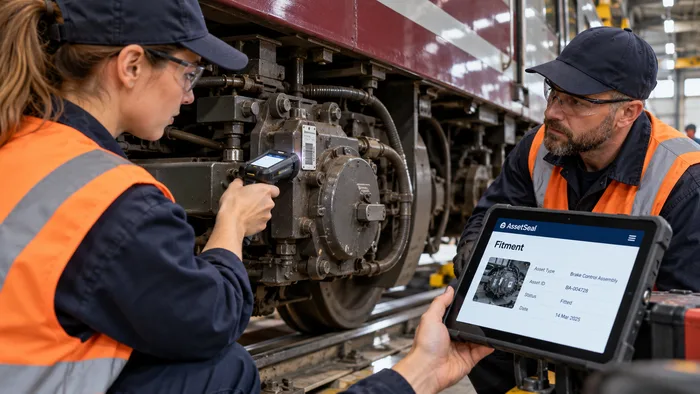
Serialized parts move between vehicles, workshops, stores, depots and service providers, making their location, movement and maintenance information difficult to retrieve centrally.
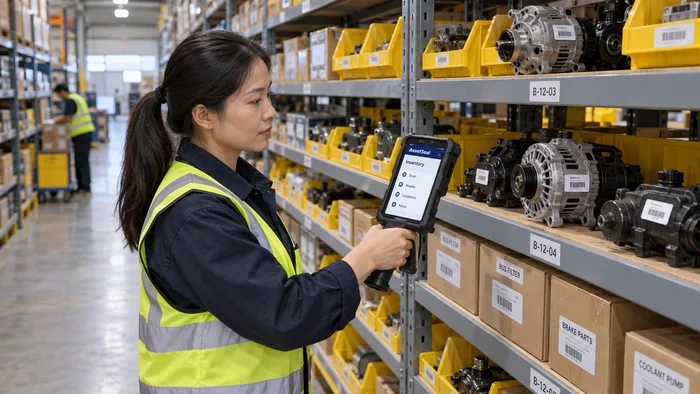
Maintenance teams can lose time searching for critical spares and equipment that records show as available but cannot be found in the expected location.
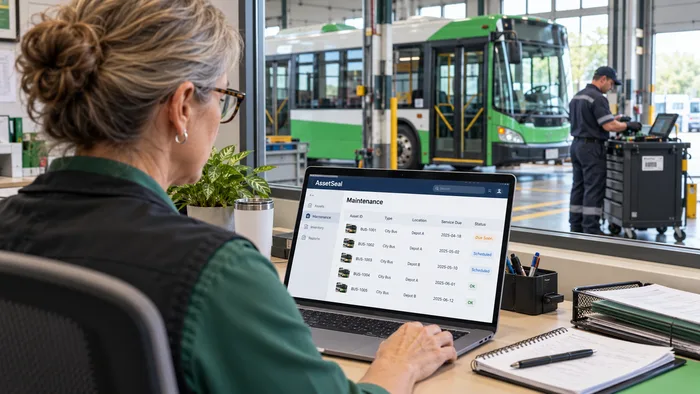
Service planning becomes more difficult when usage, location, status and maintenance history are recorded inconsistently or held in separate systems.
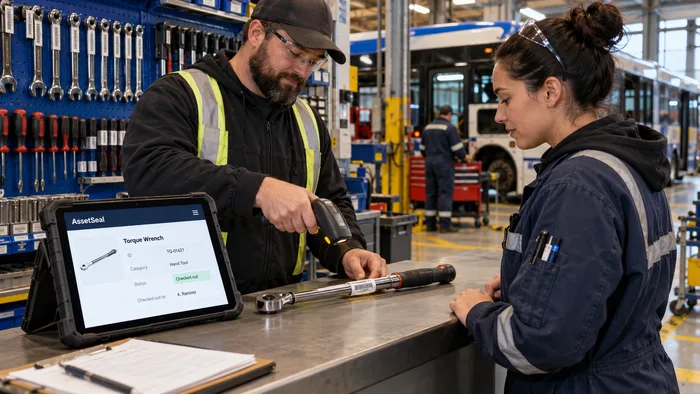
Specialist tools, diagnostic devices and maintenance equipment move between facilities without a consolidated custody and availability record.
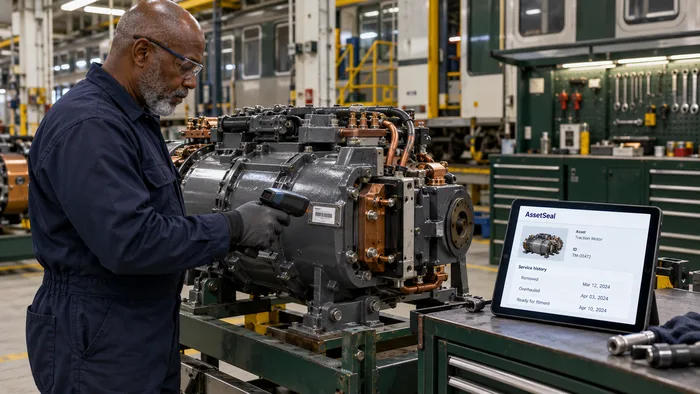
Record serialized-component identity, location and movement through fitment, removal, transfer, overhaul and refitment workflows.
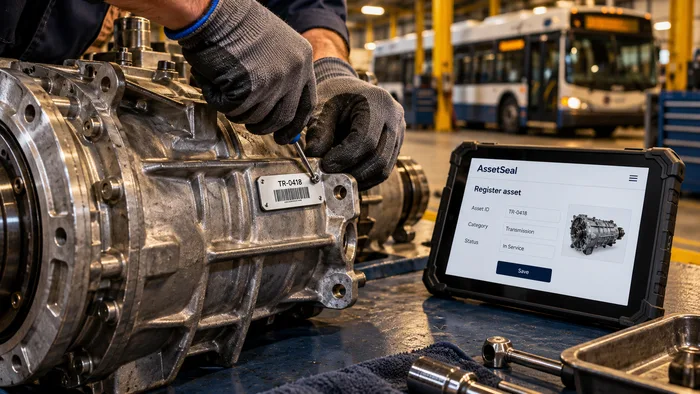
Maintain recorded quantities, locations and movement history for critical spares across depots and maintenance stores.
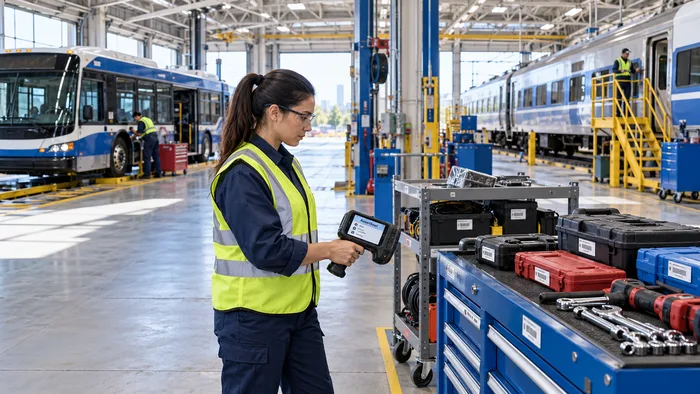
Keep available usage, location, status and service information connected to each managed asset to support maintenance planning and follow-up.
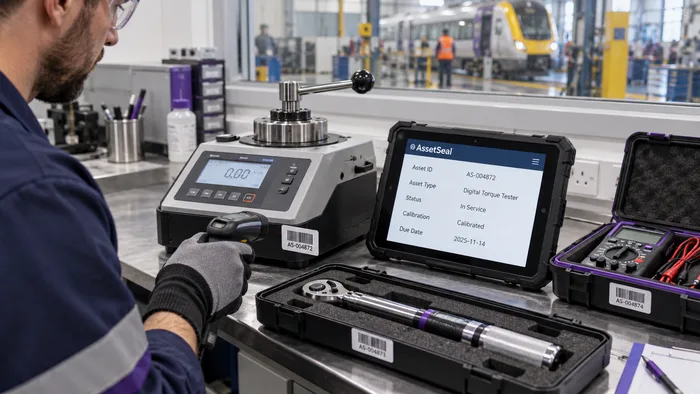
Record the issue and return of specialist tools and test equipment, with available calibration status and supporting documents linked to the asset record.
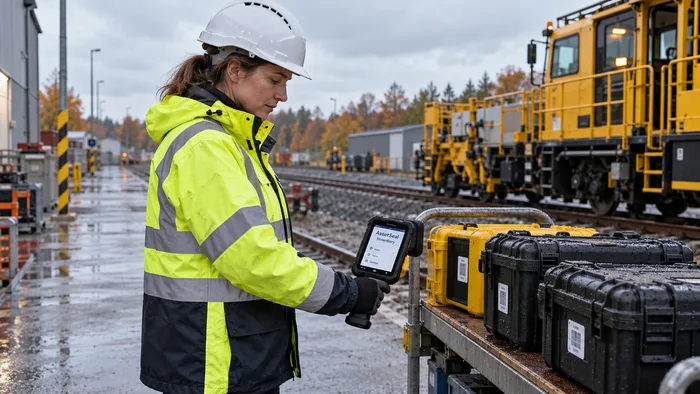
Maintain a consolidated view of components, tools, spares and operational equipment across depots, workshops and stabling locations.
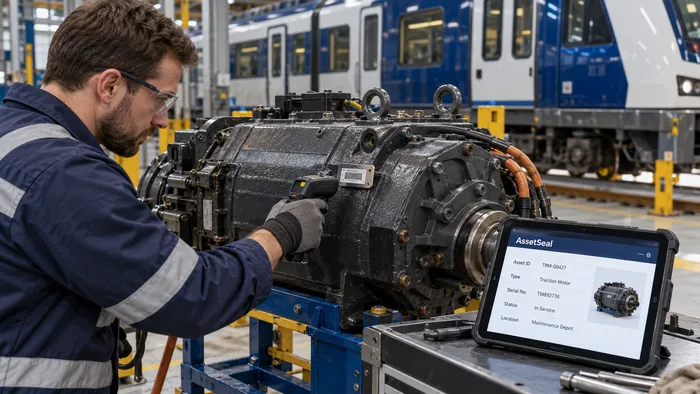
Record available information about component fitment, removal and movement, including the responsible user, time and related reference where supported.
Review each asset’s latest recorded location, status, custodian and activity history, together with exceptions requiring attention.
Illustrative interface. Available information depends on configuration and connected data sources.
Assign barcode or RFID identification suitable for components, tools, spare parts and depot equipment, including on-metal options where appropriate.
Record supported asset activity through handheld devices, mobile workflows and configured read points at depot gates, stores and maintenance areas.
Compare recorded component, equipment and spare-part locations against expected maintenance or inventory information to identify discrepancies.
Route inventory shortfalls, missing assets, calibration exceptions and other discrepancies to the responsible depot or maintenance team.
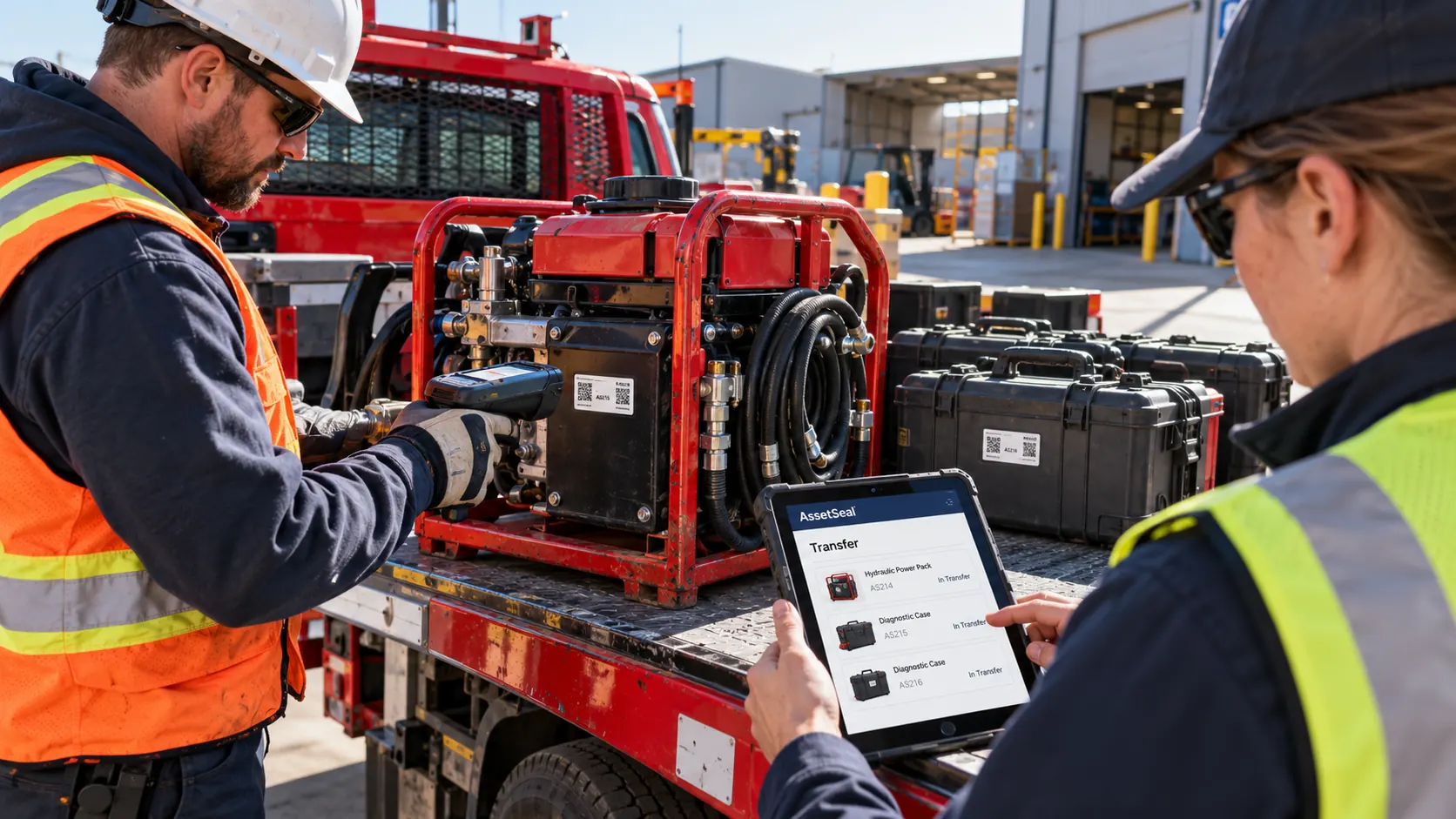
More accessible component historyKeep available fitment, removal, transfer and overhaul information connected to the serialized component record.
Faster spare-parts verificationGive maintenance teams clearer information about the latest recorded location and availability of critical spares.
Better-informed maintenance planningConnect asset status, location, available usage information and service history for planning and follow-up.
Stronger specialist-equipment accountabilityMaintain custody, location and movement records for tools and diagnostic equipment across depots.
Review the latest recorded location, status and availability of components, tools, spares and operational equipment.
Support approved data exchange with existing business systems through available APIs and structured imports or exports.
Retrieve time-stamped location, custody and status history for reconciliation and audit preparation.
Review comparable asset-control information across depots, workshops and operational locations.
AssetSeal supports APIs and structured imports and exports for approved integration requirements. Compatibility and automation depend on the target system and implementation scope.
Capture eligible tagged assets at selected locations where fixed RFID infrastructure is appropriate.
View hardwareIdentify and update supported components, tools and equipment using barcode or RFID handheld devices.
View hardwarePrint and assign identification selected according to the asset, surface and operating environment.
View hardwareYes. A serialized component can retain its AssetSeal identity while fitment, removal, transfer, overhaul and refitment activity is recorded against it. The completeness of the record depends on the workflows and external data captured.
Yes. Supported rugged handhelds and appropriately specified barcode or RFID tags can be selected for depot, workshop and outdoor conditions. Device and tag suitability should be assessed for each operating environment.
AssetSeal keeps available usage, location, status and service information connected to the asset record. Teams can use that information to support defined maintenance schedules and follow-up. AssetSeal does not independently predict equipment failure unless a separately validated predictive model is implemented.
Yes. Individually registered tools and diagnostic devices can be issued to authorized users or teams, with return, custody, status and activity history retained.
Yes. AssetSeal can represent multiple depots, workshops, stores and operational locations within one organizational structure while retaining location-specific access and asset records.
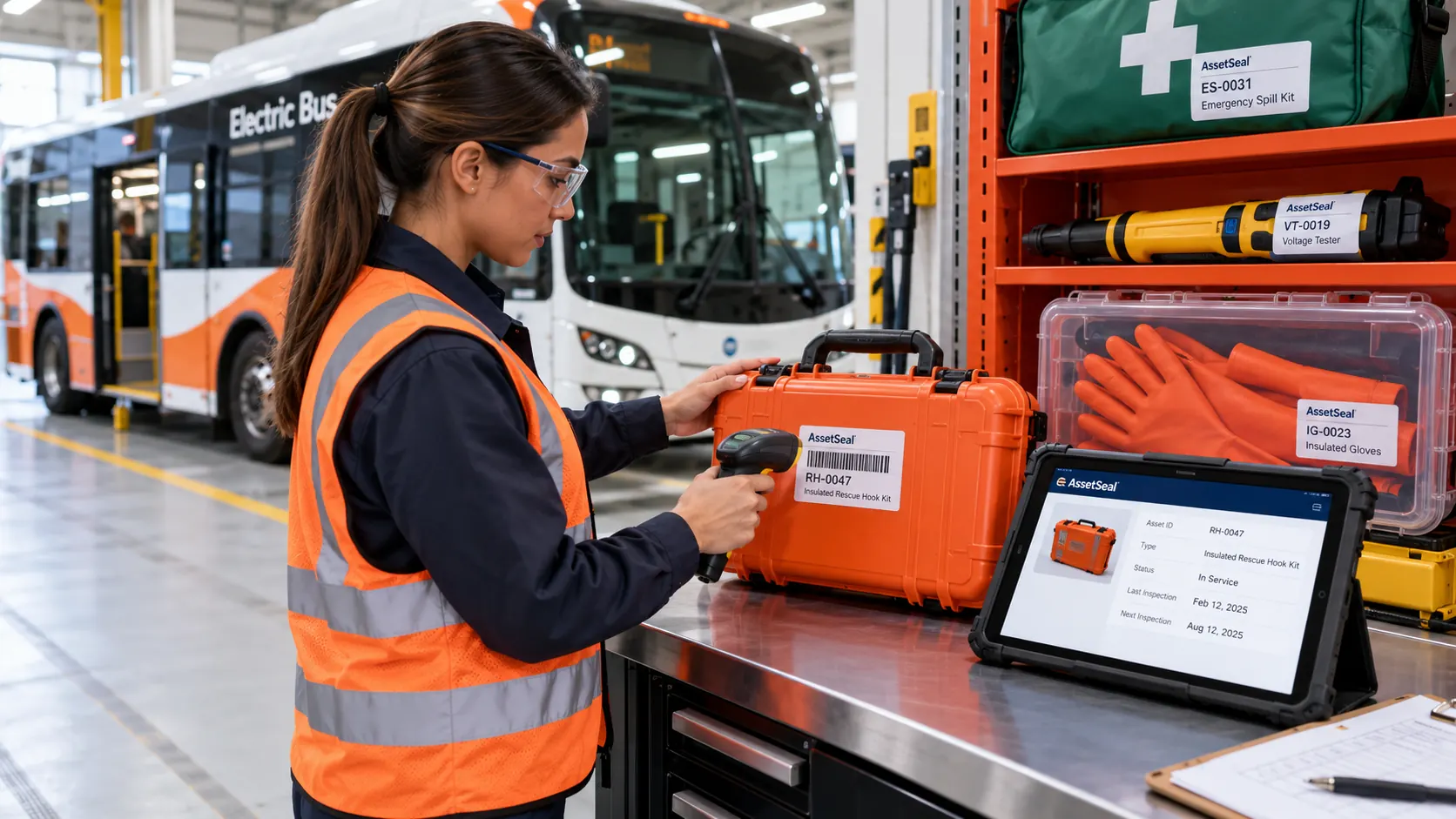
Tell us how components, spares, specialist tools and operational equipment move through your depots and maintenance facilities. We will demonstrate how AssetSeal can support your asset register, custody, verification and maintenance-record workflows.
